

MON - FRI : 09:00 AM - 4:00 pm

411 Huku Lii Pl. #102

I Don’t Feel Like Myself Anymore. Could This Be Perimenopause?

If you’re in your late 30s, 40s, or early 50s and you don’t feel like yourself anymore, perimenopause is one possible explanation. Changes in sleep, menstrual cycles, mood, focus, body composition, libido, vaginal comfort, skin, and energy can all appear during the menopausal transition—and they do not always begin at the same time or follow a predictable pattern.
Perimenopause is the transition leading up to menopause. During this phase, ovarian hormone production becomes more variable and gradually declines. For some women, symptoms are mild. For others, the changes are disruptive enough to affect sleep, relationships, work, exercise, sexual health, and overall quality of life.
At RevitalizeMaui, our approach is structured and physician-guided. We begin by understanding what has changed, what may be hormone-related, what else should be considered, and whether treatment is likely to meaningfully improve how you feel and support your long-term health.
Emeka B. Okwuje, MD

By Emeka B. Okwuje, MD

Director of Aesthetic & Longevity Medicine, RevitalizeMaui
The most useful question is not simply, “Are my hormones low?” It is: “Do my symptoms, menstrual history, age, medical history, and laboratory data form a pattern that makes sense?
perimenopause

Discover Aesthetic Medical & Longevity Treatments

Perimenopause is the phase leading up to menopause. During this time, ovarian hormone production becomes more variable and estrogen levels gradually decline. Ovulation becomes less predictable, which can disrupt the usual relationship between estrogen and progesterone.
That variability is one reason perimenopause can feel confusing. You may have a week when you feel completely normal followed by several days of poor sleep, irritability, hot flashes, brain fog, or an unexpected change in your period.
Perimenopause often begins in the 40s, but some women notice changes earlier, including in their 30s. The transition can last for years before menopause occurs.

What is the difference between perimenopause, menopause, and postmenopause?

These terms describe different stages of the menopausal transition.
Perimenopause is the lead-up to menopause, when ovarian hormone production becomes increasingly variable and menstrual cycles often become less predictable.
Menopause is defined after 12 consecutive months without a menstrual period when there is no other apparent cause. The median age of menopause in the United States is about 51, although the timing varies from woman to woman.
Postmenopause is the stage after menopause. Hormone levels are generally lower and more stable than during perimenopause, so the dramatic week-to-week fluctuations may lessen. However, lower estrogen levels can continue to affect sleep, metabolism, vaginal comfort, libido, mood, skin, bone health, and other areas over time.
SymptomAssociated Hormones
Hot flashes / night sweatsEstradiol
Fatigue, weight GainProgesterone/Estradiol Imbalance
Mood changes / irritabilityEstrogen fluctuations
Low libidoIrregular periods
Brain fog / poor concentrationProgesterone/Estradiol Imbalance
Vaginal dryness / discomfortEstradiol
Poor focus / motivationTestosterone
Irregular periodsProgesterone/Estradiol Imbalance
Loss of bone densityTable Estradiol
common symptoms

What are the most common symptoms of perimenopause and menopause?

Hot flashes and night sweats are well known, but they are only part of the picture. Many women first seek help because several symptoms that seem unrelated begin changing at roughly the same stage of life.
Common symptoms include:
Not every woman experiences all of these symptoms. The pattern, timing, severity, and effect on your quality of life matter more than checking a certain number of boxes.
Irregular Periods

Irregular Periods

Cycles may become shorter, longer, skipped, heavier, lighter, or simply less predictable.

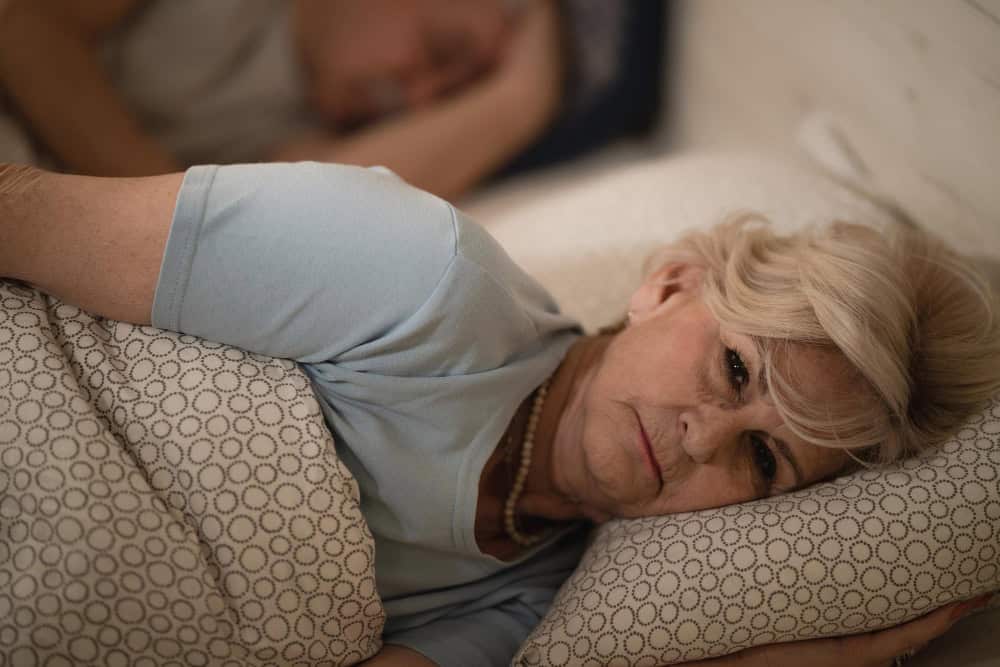
Woman awake in bed at night

Sleep Disruption

Difficulty staying asleep, frequent awakenings, fragile sleep, or waking and being unable to fall back asleep.
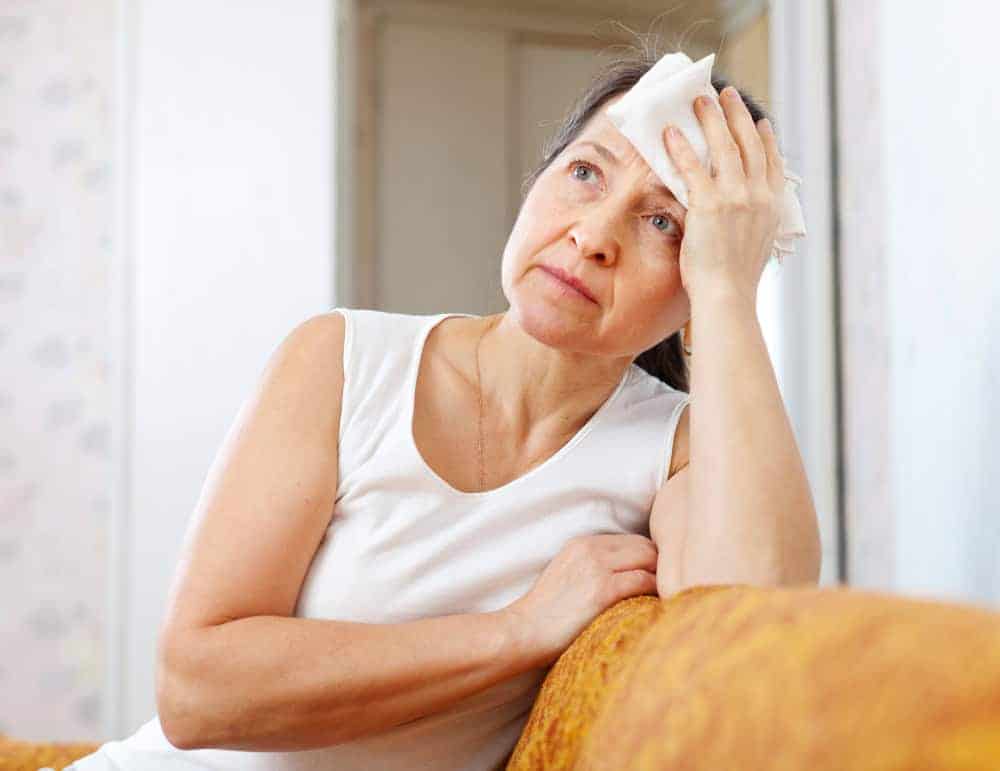
Woman cooling herself during a hot flash

Hot Flashes and Night Sweats

Sudden heat or sweating that can interrupt daily life and sleep.

Woman sitting quietly on a bed

Mood Changes

Irritability, anxiety, emotional sensitivity, sadness, or episodes of anger that feel out of character.

Woman trying to focus while writing

Brain Fog and Cognitive Changes

Forgetfulness, difficulty concentrating, word-finding problems, or feeling mentally slower than usual.

Woman exercising

Weight and Body-Composition Changes

Changes in fat distribution, body shape, or the sense that your body is responding differently despite similar habits.

Woman sitting up against a wall

Vaginal Dryness or Painful Intimacy

Lower estrogen levels can affect vaginal and vulvar tissues, lubrication, elasticity, and comfort.

Unhappy couple sitting together at home

Lower Libido

Reduced desire or changes in sexual response.

Woman experiencing skin and hair changes

Skin and Hair Changes

Dryness, reduced elasticity, fine lines, acne in some women, or noticeable changes in hair and skin quality.

perimenopause

Why can perimenopause feel harder than postmenopause?

Perimenopause can be especially frustrating because hormone levels may fluctuate considerably rather than simply declining in a straight line.
That means symptoms can be inconsistent. Sleep may suddenly deteriorate. A period may arrive early, late, or not at all. Anxiety or irritability may appear without an obvious external trigger. Hot flashes can come and go. A woman may feel like herself for several weeks and then abruptly feel very different.
Postmenopause is often more hormonally stable. Hormone levels are generally lower, but the dramatic fluctuations of perimenopause may decrease. That does not mean every symptom disappears; it means the pattern may become more predictable.
STRUCTURED BHRT

What A Structured Bhrt Program Looks Like

How do I know if I am in perimenopause?

Read More
Perimenopause is often recognized from the overall clinical pattern: your age, menstrual history, symptoms, how those symptoms have changed over time, and whether other explanations should be considered.

A single symptom is rarely enough. Poor sleep can have many causes. Weight change can have many causes. Anxiety, low libido, fatigue, and brain fog can also occur for reasons unrelated to reproductive hormones.

What becomes more informative is when several changes begin appearing together during the menopausal transition—for example, cycle variability plus fragile sleep, new hot flashes, irritability, reduced libido, or changes in vaginal comfort.

Do I need hormone blood tests to diagnose perimenopause?

Read More
Not always. Hormone levels can fluctuate substantially during perimenopause, so one laboratory result may not reliably capture what is happening over time.

That is different from saying laboratory testing has no value.

At RevitalizeMaui, we place a high value on laboratory testing when we are building and monitoring a treatment plan. The clinical history helps us understand the pattern. Laboratory data help establish a baseline, identify relevant findings, guide individualized treatment decisions, and monitor therapy over time.

In other words, one blood test should not replace the clinical picture—but treatment should not be guesswork either.

Can perimenopause affect sleep, mood, anxiety, or brain fog?

Read More
Yes. Sleep disruption, mood changes, anxiety, irritability, and cognitive complaints are commonly reported during the menopausal transition.

Sleep is particularly important because poor sleep can amplify nearly everything else. Repeated awakenings, night sweats, or lighter and more fragile sleep can leave you exhausted during the day. Fatigue can then worsen concentration, mood, stress tolerance, motivation, and recovery.

Many women also describe “brain fog”: losing a train of thought, forgetting words, having more difficulty multitasking, or feeling mentally slower than before. These symptoms should still be evaluated in context rather than automatically attributed to hormones.

Why do some women feel dismissed when they ask about perimenopause?

Read More
One reason is that the symptoms are broad and often overlap with many other medical or lifestyle issues. Another is that menopause education has historically been inconsistent in medical training.

The result is that some women are told that their laboratory results are “normal,” that the symptoms are simply part of getting older, or that each complaint should be treated separately without considering whether the changes form a larger pattern.

The opposite problem also exists online: nearly every symptom can be blamed on hormones, and women may be pushed toward supplements, one-size-fits-all protocols, or treatment plans that are not grounded in an individualized medical evaluation.

A better approach is to take the symptoms seriously without assuming that hormones explain everything.

What lifestyle changes may help with perimenopause symptoms?

Read More
Lifestyle measures can improve health and may reduce some symptoms, especially when the changes are mild or when you are not ready for medication.

Useful fundamentals include a balanced diet with vegetables, whole grains, lean proteins, and healthy fats; regular strength training; reducing excess sugar, highly processed foods, alcohol, and caffeine when these worsen symptoms; improving sleep habits; controlling the sleeping environment if night sweats or heat are a problem; managing stress; and avoiding tobacco.

These measures are worth doing whether or not you ultimately use hormone therapy. However, lifestyle changes may provide only limited relief when symptoms are persistent or significantly affecting quality of life.

Does every woman in perimenopause need hormone therapy?

Read More
No. Perimenopause is a natural stage of life, and not every woman needs medication.

The decision to consider hormone therapy should be based on the symptoms you are experiencing, their severity, your medical history, your goals, relevant risk factors, and a discussion of appropriate treatment options.

Some women have mild symptoms and do well with lifestyle changes and observation. Others have symptoms that significantly interfere with sleep, sexual health, mood, cognition, or daily function and want a more active treatment approach.

The goal is not to treat a number simply because it is “low.” The goal is to decide whether treatment is appropriate for the problems we are actually trying to improve.
BHRT

What is BHRT, and where does it fit?

Bioidentical hormone replacement therapy, or BHRT, refers to hormone therapy using hormones that are chemically identical to hormones produced by the human body.
Hormone replacement therapy can be highly effective for many symptoms associated with menopause and perimenopause when it is medically appropriate. The important part is not simply the label “bioidentical.” What matters is selecting an appropriate treatment, understanding why it is being used, monitoring the response, and adjusting the plan when needed.
At RevitalizeMaui, BHRT is managed as an ongoing medical program rather than a one-time prescription.
process

What does a structured BHRT program look like?

Our process begins before a prescription is written.

01

Detailed questionnaire

After you schedule a consultation, we send a detailed intake questionnaire so the physician can review your symptoms, medical history, lifestyle, and goals.

02

Initial physician consultation

Dr. Emeka Okwuje reviews your history in detail and discusses what has changed, what may be hormone-related, and what other factors should be considered.

03

Baseline laboratory testing

Laboratory work is ordered to establish a baseline and guide a personalized approach.

04

Second physician consultation

Once the laboratory results are available, Dr. Okwuje reviews them with you, asks follow-up questions, and develops an initial treatment plan when treatment is appropriate.

05

Quarterly cycles and ongoing monitoring

Care is organized into structured 90-day cycles with scheduled follow-up, laboratory monitoring, and adjustments as your symptoms, laboratory results, and response evolve.
Ongoing BHRT Monitoring For Perimenopause

Why is ongoing monitoring important with hormone therapy?

Hormone therapy should not be treated as “here is your prescription; see you next year.” Your body changes, symptoms change, and your response to treatment can change.
Structured monitoring allows us to assess effectiveness, review laboratory data, identify concerns, and make adjustments when they are needed. It also helps prevent treatment from turning into a collection of prescriptions without a clear plan.
Our goal is an actively managed program built around precision, safety, long-term health, and real follow-through.
Health riskWhat changes after menopause
Bone loss & osteoporosisLower estrogen accelerates bone loss and increases fracture risk
Cardiovascular diseaseCholesterol and other cardiovascular risk factors often worsen after menopause
Genitourinary healthVaginal and urinary tissues become thinner and drier, increasing discomfort and urinary symptoms
Recurrent urinary infectionsLower estrogen can increase susceptibility to UTIs
Metabolic healthBody composition and metabolic risk can shift during midlife
Cognitive & mood healthSome women experience changes in mood, concentration, and cognitive function during the menopause transition

Are there health risks associated with menopause?

Menopause is a natural stage of aging, but lower estrogen levels and the menopausal transition can be associated with important long-term health considerations.
The existing medical literature and major medical organizations recognize concerns that include bone loss and osteoporosis, cardiovascular health, mood and mental health changes, and genitourinary symptoms. These issues are not identical for every woman, which is why individual risk assessment and ongoing medical care matter.
Understanding the transition gives you an opportunity to address not only symptoms, but also strength, nutrition, bone health, cardiovascular risk, sleep, sexual health, and other parts of healthy aging.

How does RevitalizeMaui approach hormone care?

We take a physician-directed, science-based, and highly individualized approach.
Our starting point is not a predetermined hormone protocol. It is the question: what has changed, what is most likely contributing, and what is the safest and most useful way to address it?
That includes listening carefully to symptoms, reviewing medical history, using targeted laboratory testing, discussing lifestyle factors, and monitoring treatment over time. When hormone replacement therapy is appropriate, the plan can be adjusted as your body and symptoms change.
RevitalizeMaui also integrates hormone care with broader longevity, metabolic, sexual-health, skin, and aesthetic considerations when those are relevant to the patient’s goals.
BHRT consultation

When should I consider a BHRT consultation?

A consultation may be worth considering if you have persistent symptoms that are affecting your quality of life and you want a clearer medical explanation and structured treatment options.
You may be a particularly good fit for our approach if you:
Call/Text: 808-419-7445
By appointment only. Limited availability for new BHRT patients.

Frequently Asked Questions

What is the earliest sign of perimenopause?
There is no single earliest sign for every woman. Changes in menstrual timing or flow are common, but some women first notice sleep disruption, hot flashes, mood changes, brain fog, or other symptoms. The pattern over time is more useful than any one symptom.
Yes. Many women notice changes in their 40s, but perimenopause can begin earlier, including in the 30s for some women.
The duration varies significantly. Many women experience a multi-year transition before reaching menopause.
Yes. Ovulation becomes less predictable, but pregnancy can still occur until menopause is confirmed.
Mood changes can occur during perimenopause, including anxiety, irritability, emotional sensitivity, and episodes of anger that feel out of character. Sleep disruption may make these symptoms more difficult to tolerate.
Many women report cognitive symptoms during the menopausal transition, including forgetfulness, difficulty concentrating, and word-finding problems. These symptoms are often described as “brain fog.”
Perimenopause is characterized by hormonal variability. Ovulation and ovarian hormone output can become less predictable, so symptoms may fluctuate from week to week.
Declining estrogen can affect vaginal and vulvar tissues, reducing lubrication and elasticity and contributing to dryness, irritation, or discomfort during intimacy.
No. A single hormone level may be unreliable as a stand-alone diagnostic test because hormone levels can fluctuate. Laboratory testing can still be very useful for baseline evaluation, treatment planning, safety, and ongoing monitoring.
No. Lifestyle measures, symptom-specific treatment, and observation may be appropriate depending on the symptoms and their severity. Hormone therapy is one option when it is medically appropriate and aligned with the patient’s goals.
HRT is the broad term for hormone replacement therapy. BHRT generally refers to hormone therapy that uses hormones chemically identical to hormones produced by the human body. The practical question is not simply which label is used, but whether the treatment is appropriate, individualized, and monitored.
process

What does a structured BHRT program look like?

Our process begins before a prescription is written.

01

Detailed questionnaire

After you schedule a consultation, we send a detailed intake questionnaire so the physician can review your symptoms, medical history, lifestyle, and goals.

02

Initial physician consultation

Dr. Emeka Okwuje reviews your history in detail and discusses what has changed, what may be hormone-related, and what other factors should be considered.

03

Baseline laboratory testing

Laboratory work is ordered to establish a baseline and guide a personalized approach.

04

Second physician consultation

Once the laboratory results are available, Dr. Okwuje reviews them with you, asks follow-up questions, and develops an initial treatment plan when treatment is appropriate.

05

Quarterly cycles and ongoing monitoring

Care is organized into structured 90-day cycles with scheduled follow-up, laboratory monitoring, and adjustments as your symptoms, laboratory results, and response evolve.
Emeka B. Okwuje, MD

About Emeka B. Okwuje, MD
Emeka B. Okwuje, MD is the Director of Aesthetic & Longevity Medicine at RevitalizeMaui in Kihei, Maui. His practice focuses on physician-directed aesthetic and longevity medicine, including facial rejuvenation, hormone optimization, metabolic health, and individualized treatment planning.



Citations

  1. The Menopause Society — perimenopause, menopause symptoms, brain fog, vasomotor symptoms, genitourinary syndrome of menopause
  2. Mayo Clinic — perimenopause symptoms, mood and sleep changes, supplement cautions
  3. Cleveland Clinic — perimenopause timing, duration, symptoms, diagnosis considerations
  4. American College of Obstetricians and Gynecologists (ACOG) — menopause definitions and hormone therapy guidance
  5. National Institute on Aging — menopause overview
  6. Menopause education gap in U.S. OB-GYN residency programs

BHRT

Female Bioidentical Hormone Replacement Therapy BHRT Programs

Metabolic Wellness Optimization

Hormone Pellet Therapy For Men and Women

About Revitalizeme

About Revitalizeme

Mon - Fri : 09:00 AM - 4:00 PM | 411 Huku Lii Pl. #102 | contact us | 808-419-7445
logo